
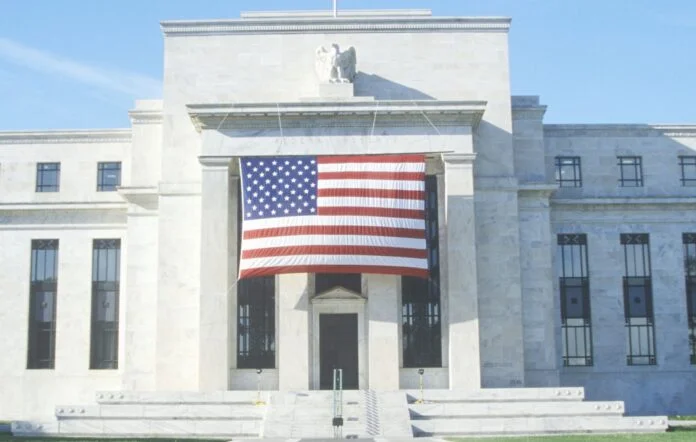
The International Monetary Fund (IMF) issued a stark warning on Tuesday, highlighting that any erosion of central bank independence could jeopardize efforts to control inflation expectations, potentially sparking significant financial, monetary, and macroeconomic instability.
This caution was emphasized in the IMF’s latest update to its World Economic Outlook and echoed in an interview with chief economist Pierre-Olivier Gourinchas. The IMF pointed out that the current economic landscape, marked by ongoing trade tensions and uncertainty around tariffs, necessitates strong policies to protect financial stability and uphold central bank independence.
In certain circumstances, the IMF noted that if tariff shocks lead to disruptive fluctuations in foreign exchange and risk premiums, countries might need to consider temporary foreign exchange interventions or capital flow management strategies.
“Importantly, the unpredictable and volatile environment demands clear and consistent communication from central banks, along with the safeguarding of central bank independence—not just in legal terms, but in practice,” the IMF stated.
“This is a fundamental aspect of overall macroeconomic stability—one of the hard-learned lessons from the past 40 years,” Gourinchas told Reuters, without directly naming the Fed. “Our message is clear: it’s vital to uphold and implement central bank independence.”
He emphasized that central bank independence is crucial for macroeconomic frameworks in both developed and emerging markets. Despite recent significant price increases from 2021 to 2024, market participants and consumers have retained confidence in policymakers’ commitment to managing inflation over the medium term, thus preventing a widespread de-anchoring of inflation expectations.
“They believe someone is in control, ready to implement monetary policy for price stability,” he explained. “That’s where credibility lies.”
However, if that credibility is questioned, the relationship between inflation and inflation expectations could become “much more fragile.” Inflation could spike again due to various shocks, and if public trust in central banks wanes, inflation expectations would rise, leading to wage increases, which would then result in higher prices, elevated interest rates, and ultimately necessitate drastic measures to stabilize the economy.
“This creates a scenario of macroeconomic instability, monetary instability, and financial instability,” he warned, highlighting the imperative for consumers and financial markets to have confidence that central banks will act independently.


