
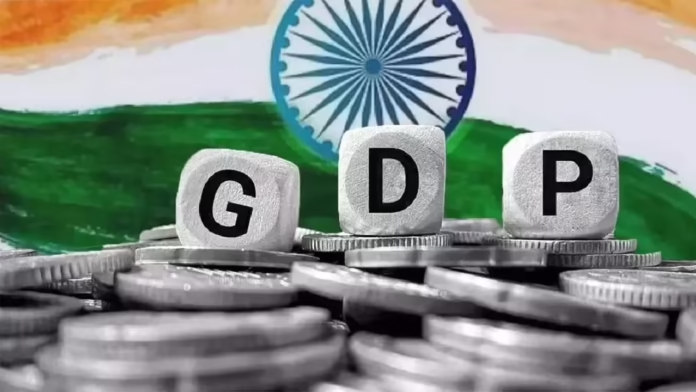
India is experiencing rapid growth that stands out in a slowing global economy, but this impressive progress masks serious structural issues.
The country’s GDP surged by 7.8% in the second quarter. Industrial production reached new heights, and inflation has dipped below the Reserve Bank of India’s target. However, India seems ill-prepared for potential 50% tariffs on exports, and without meaningful reforms, these gains could be precarious.
The major challenge facing India is job creation. The nation requires 12 million new jobs each year to accommodate its youthful workforce, yet official unemployment figures are unreliable and likely underestimate the extent of underemployment.
Manufacturing still accounts for less than 16% of GDP, despite Prime Minister Modi’s long-standing “Make in India” initiative.
Instead, employment has shifted toward less labor-intensive sectors like IT and finance, leaving the demographic dividend largely untapped. Inequality is on the rise, with estimates from the World Inequality Lab suggesting the gap may now rival colonial-era levels. While billionaires thrive, many people remain excluded from the benefits of economic growth.
Experts like Yardeni Research and the OECD caution that Modi’s approach has focused more on attracting large investments and showcasing shifts in global supply chains rather than on improving productivity and human capital.
While policy adjustments—like cutting goods and services tax rates and lowering interest rates—have spurred consumption, India needs deeper reforms. The OECD recommends enhancing social safety nets, rationalizing subsidies, expanding the tax base, and increasing female workforce participation by improving childcare, transportation, and workplace protections.
Further trade liberalization, streamlined customs processes, and easier access to long-term financing for smaller businesses would also support sustained investment.
India’s resilience stems from its youthful population, high savings rates, and relatively low debt levels. These advantages position the country to thrive, provided the government addresses its most pressing issues: jobs and inclusivity.
If these gaps remain unaddressed, a growth rate of 7% will not be sufficient to withstand tariff shocks or ensure widespread prosperity.
Ultimately, structural reform—rather than just macroeconomic momentum—will determine whether India achieves its ambitious goal of becoming a $20 trillion economy, according to Yardeni analysts.


