
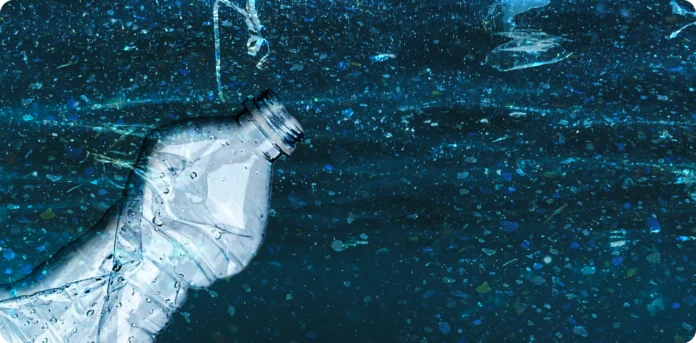
Microplastics have infiltrated every corner of our planet—and even our bodies. It’s estimated that over 9 billion tons of plastic were produced globally between 1950 and 2017, with half of that amount created since 2004. Most of this plastic ends up in the environment, breaking down through weathering and UV exposure into smaller fragments known as microplastics and nanoplastics.
There are two categories: “secondary” microplastics, which originate from larger items breaking down, and “primary” microplastics, like microbeads in cosmetics, that are small from the start. In our homes, microplastics primarily come from synthetic fibers in clothing, furniture, and carpets, accumulating in dust and becoming airborne, which we then inhale.
Two recent studies highlight the extent of this issue. The first, conducted a few years ago, revealed that thousands of tons of microplastics fall onto Switzerland each year, even in snow. Researchers collected snow samples from the Hoher Sonnenblick mountain and discovered approximately 43 trillion microplastic particles land in Switzerland annually—about 3,000 tons. They estimated that around 30% of these particles originated from urban areas within 130 miles, while up to 10% could be traced back to distant Atlantic winds.
This study underscores two key points: no place on Earth, no matter how remote, is free from microplastic pollution, and microplastics move through natural systems like wind and precipitation, transporting them across vast distances.
A more recent study found microplastics in human eyeballs. Researchers from China examined tissue samples from 49 individuals with various eye conditions and found nearly 1,800 plastic fragments, mostly less than 50 micrometers in size. The findings revealed a correlation between the number of microplastics in each sample and the severity of the patients’ visual impairments.
So, how do these plastics get into our eyes? The most likely route is through the bloodstream, as microplastics can enter the body via the gut and lungs. Studies indicate they can be found in various human organs, including the heart and brain. Another possibility is that plastics come into contact with the outer surface of the eye and migrate inward.
Contact lenses also contribute, shedding over 90,000 plastic particles in a year of use. Worryingly, recent studies suggest that microplastics might be present from birth; when pregnant mice consume polystyrene nanoplastics, these particles can affect their offspring’s eye development.
The overall impact of microplastics on health is still emerging, but there’s growing evidence linking exposure to a range of health issues—from irritable bowel syndrome to infertility. One reproductive health expert warns that by 2045, natural reproduction may be impossible for many men, attributing this crisis partly to plastic exposure.
Microplastics pose risks for various reasons: they can block tissues, provoke inflammation, and carry harmful chemicals into the bloodstream.
What Can We Do?
As an old saying goes, “An ounce of prevention is worth a pound of cure.” With microplastics, prevention is crucial since it remains uncertain how to effectively remove them from our bodies once ingested. While some microplastics may exit the body through urine and feces, many remain trapped in tissues after inhalation or ingestion.
Home exposure to microplastics is significant, primarily from synthetic fibers in clothing and furnishings. Babies and young children are particularly vulnerable, often crawling on the ground where dust accumulates.
To reduce exposure, consider these practical changes:
- Limit synthetic fibers in your home and vacuum regularly.
- Avoid processed foods, which are often packaged in plastic and contaminated with microplastics.
- Switch from plastic storage containers to glass, and use alternatives for wrapping and cooking.
- For beverages, avoid plastic containers and opt for glass or metal bottles instead.
- Tap water is generally safe regarding microplastics; however, using a reverse osmosis filter is advisable. Bottled water, on the other hand, is a significant source of microplastic contamination.
By making these adjustments, we can all contribute to reducing our exposure to microplastics and protect our health.


