
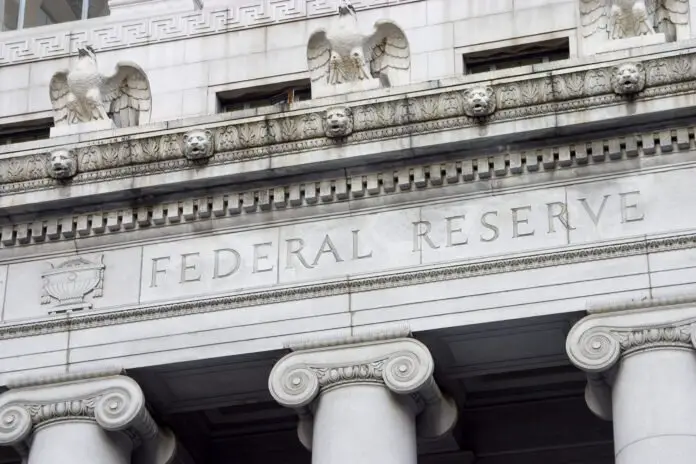
Despite recent progress, the U.S. faces a greater threat from inflation than from weaknesses in the labor market, a senior Federal Reserve official stated on Friday.
The Federal Reserve, tasked by Congress with managing both inflation and unemployment, has begun to reduce high interest rates to bolster the labor market. Following two cuts since September, which lowered rates by a total of 0.75 percentage points, the Fed’s benchmark lending rate now stands between 4.50% and 4.75%.
Some members of the Fed’s rate-setting committee have expressed cautious support for a potential quarter-point rate cut later this month, while others advocate a wait-and-see approach, opting not to reveal their positions just yet.
“I continue to see greater risks to price stability, especially as the labor market remains close to full employment,” said Fed Governor Michelle Bowman during a virtual event organized by the Missouri Bankers Association.

Bowman, a permanent voting member of the committee, noted, “The U.S. economy remains strong, but core inflation is still elevated.” She referred to the core inflation measure, which excludes volatile food and energy prices.
In October, the Fed’s preferred inflation gauge rose slightly to 2.3%, just above the long-term target of 2%. However, the core inflation rate remained stubbornly high at 2.8%, signaling persistent underlying price pressures.
“In my view, there are significant upside risks to inflation due to potential supply chain disruptions from labor strikes and increasing geopolitical tensions globally,” Bowman remarked.

She emphasized that “rising trade tensions and expansive government spending” are also contributing to inflationary pressures. Fresh inflation data set to be released next week will play a crucial role in her decision-making ahead of the rate meeting on December 17 and 18.
Financial markets are indicating a greater than 85% chance that the Fed will opt to cut rates rather than maintain the current levels, according to data from CME Group.


